
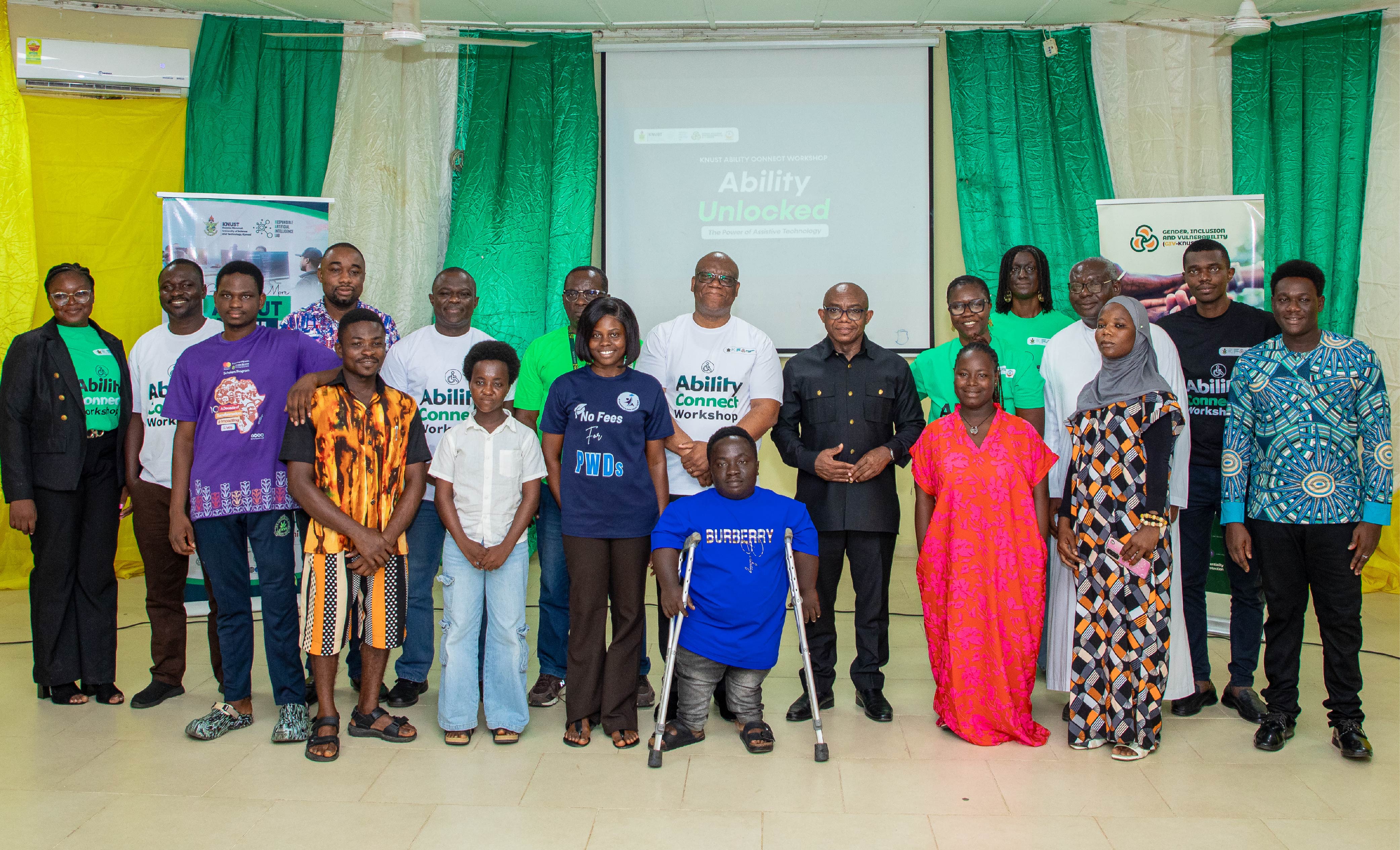
The Responsible Artificial Intelligence Laboratory (RAIL), in collaboration with the Gender Inclusion and Vulnerability (GIV) Office at the Kwame Nkrumah University of Science and Technology, Kumasi (KNUST) has brought researchers, technology developers and students with disabilities together to co-design assistive technologies tailored to individual accessibility needs.
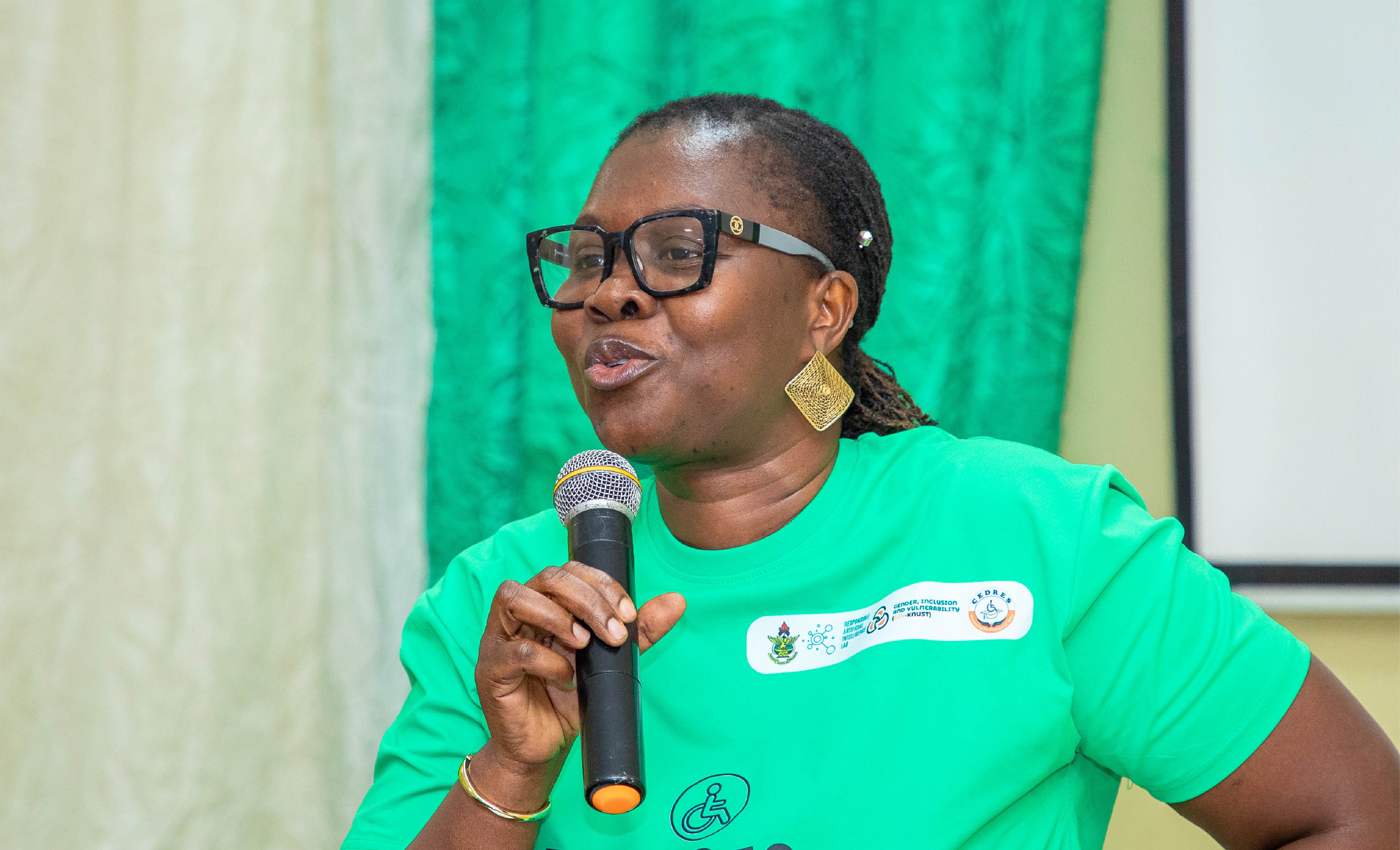
Head of the GIV Office, Professor (Mrs.) Mercy Badu, said the initiative, launched under the maiden Ability Connect Workshop, themed “Ability Unlocked: The Power of Assistive Technology,” seeks to strengthen partnerships between technology developers and end users.
“Rather than designing technologies in isolation, this workshop adopts a participatory approach that places persons with disabilities at the centre of the design process,” she said.
She explained that the workshop was designed to bring RAIL researchers and innovators into direct engagement with students with disabilities to understand their functional needs, preferences and experiences, which would inform the development and adaptation of appropriate technologies.
Professor (Mrs.) Badu said that although assistive technologies had improved access to information, communication, mobility and independent learning, their cost and inability to address individual needs made it necessary to develop more personalised solutions.
She said the initiative was also expected to stimulate interdisciplinary collaboration among researchers, students with disabilities and the GIV Office, particularly in developing practical solutions that leverage responsible artificial intelligence for disability inclusion.
The Scientific Director of RAIL, Professor Jerry John Kponyo, reinforced the importance of involving persons with disabilities in developing technologies intended to serve them.
‘‘We cannot build responsible AI for people with disability without people with disability,’’ he said.
Emphasising the principle, “Nothing About Us, Without Us,” he said students with disabilities should participate as research partners and co-creators rather than merely serve as subjects of technological studies.
He invited students with disabilities to participate in RAIL's design sprints, testing teams and research groups, stressing that their experiences and feedback would be essential to developing technologies that promote equal participation.
“Bring your ideas, your frustrations, and your brilliance. Help us make sure that when KNUST builds assistive technology, it is built by the community it is meant to serve,” he said.
Professor Kponyo explained that developing solutions such as sign-language translation tools, voice-controlled campus navigation systems and artificial intelligence-powered learning assistants required direct input from intended users to ensure the technologies addressed their actual needs.
“You are not beneficiaries. You are co-creators. Your lived experience is the most valuable dataset we have. Your daily challenges on this campus are the real problems we should be solving,” he added.
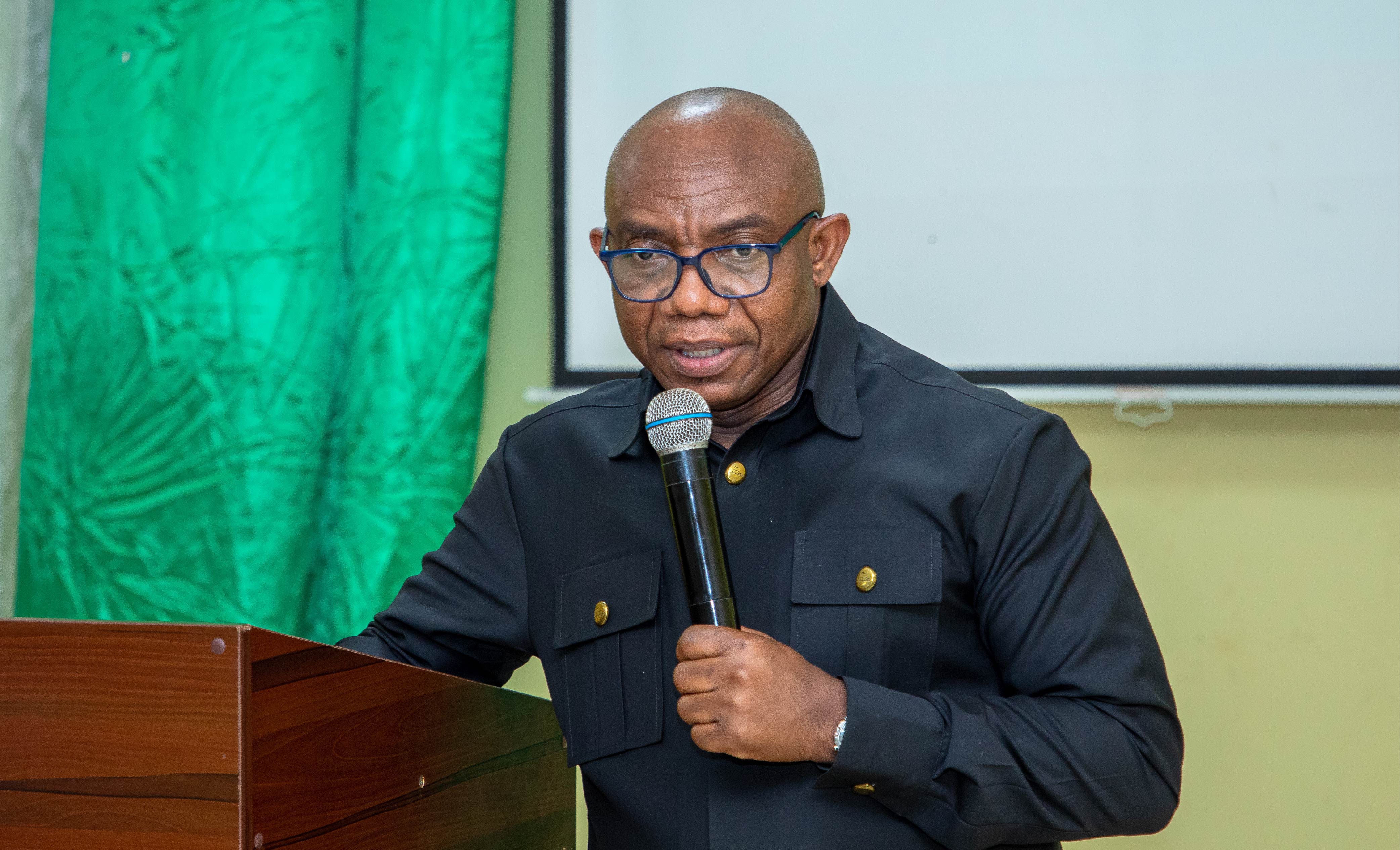
The Vice-Chancellor, Professor Christian Agyare, reaffirmed the University's commitment to developing practical solutions to improve the learning experiences of differently abled students.
He said the workshop aligned with KNUST's ambition to move “from excellence to global eminence”, stressing that research should produce solutions that address local needs before reaching the global stage.
He also called for a more proactive support system, proposing faculty-level coordinators to identify students' needs and ensure their concerns were addressed.
‘‘We want to be able to identify students who need assistance rather than wait for them to approach the authorities,’’ he said.
The Vice-Chancellor also encouraged collaboration among the relevant university offices, researchers and students to translate the ideas emerging from the workshop into practical solutions that could improve the student experience.
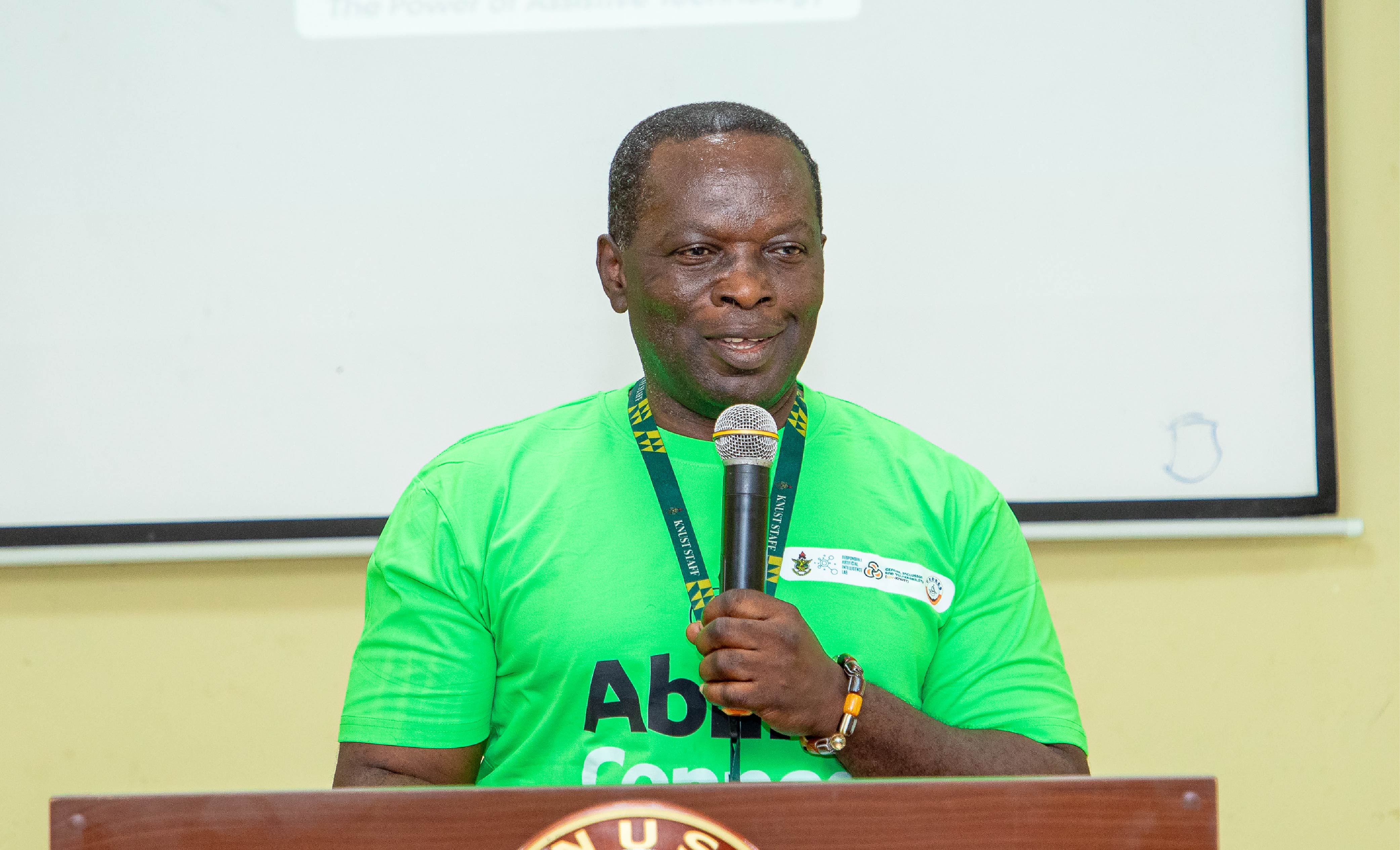
Head of the Department of Health Promotion and Disability Studies, Associate Professor Wisdom Mprah, underscored the importance of involving persons with disabilities in the design and evaluation of assistive technologies.
‘‘The world is changing very fast, so we need assistive technologies that are fit for purpose, he said. ‘‘Now we are grateful to RAIL that persons with disabilities are being considered in the designing of these technologies.’’
He said that their participation would help researchers understand individual needs and ensure that solutions were suitable for the people expected to use them.
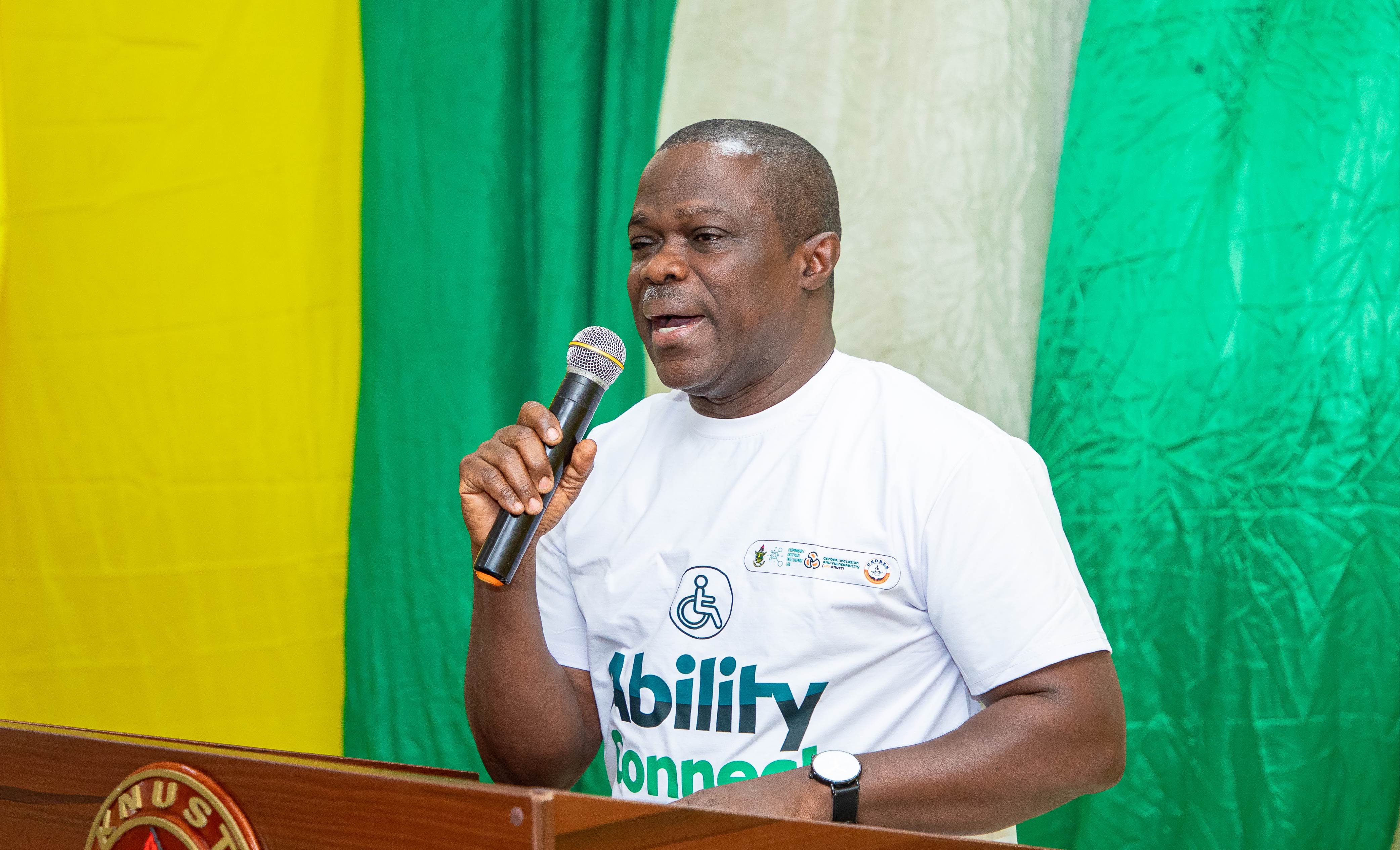
The Deputy Director of Student Affairs, Professor Amos Abanyie, expressed the Directorate's commitment to supporting initiatives that promote the welfare and well-being of students with disabilities.
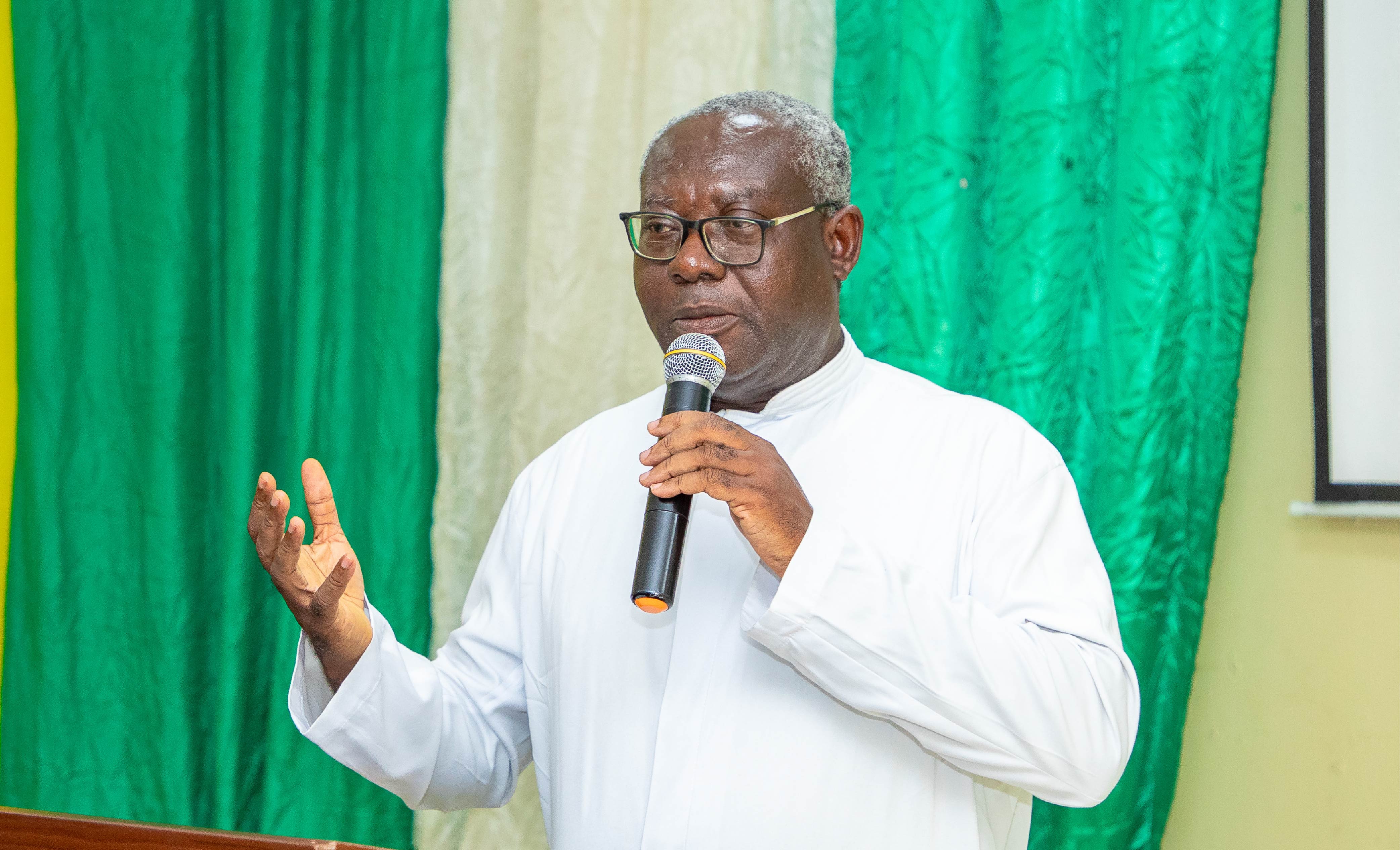
Rev. Fr. Dr. Stephen K. Jantuah, the Chief Counsellor at MasterCard Foundation Scholars Program at KNUST, reiterated the need for enabling independence among students with disabilities. According to him, it requires a combination of accessible environments, assistive technologies, and meaningful co-design practices.
‘‘By actively involving students with disabilities in decision-making and providing suitable technological and institutional support, KNUST can create a more inclusive learning environment that fosters academic success, self-reliance, and equal participation for all students,’’ he said.
Participants of the workshop presented accessibility challenges and made recommendations to researchers and innovators.
Sharing concerns on behalf of visually impaired students, Emmanuel Adjei, commented on an intelligent walking stick demonstrated during the workshop, I-See: an AI-powered smart white cane designed to assist persons with visual impairment. He suggested that its machine-learning component should be adapted to recognise the individual user and progressively learn the environments in which the person regularly moves.
He stressed that students with visual impairments should be involved throughout the technology development process.
“Visually impaired students should be involved right from the conception to prototype testing,” he said, explaining that their experiences differed and needed to be considered in developing effective solutions.
For wheelchair users, the discussions focused on making assistive devices safer, more affordable and better suited to the environments in which they would be used.
Beyond assistive devices, the students raised broader concerns about physical accessibility and mobility on campus. These included difficulties accessing upper-floor classrooms when lifts were not functioning, the need for more accessible shuttle services and improvements to ramps, elevators and other university facilities.
Story: Abigail Ofori Photos: Vincent Gross Hope


